
Sears US Dropshipping Supplier: Marketplace Product Ideas & Margin Tips
Supplier website: www.sears.com
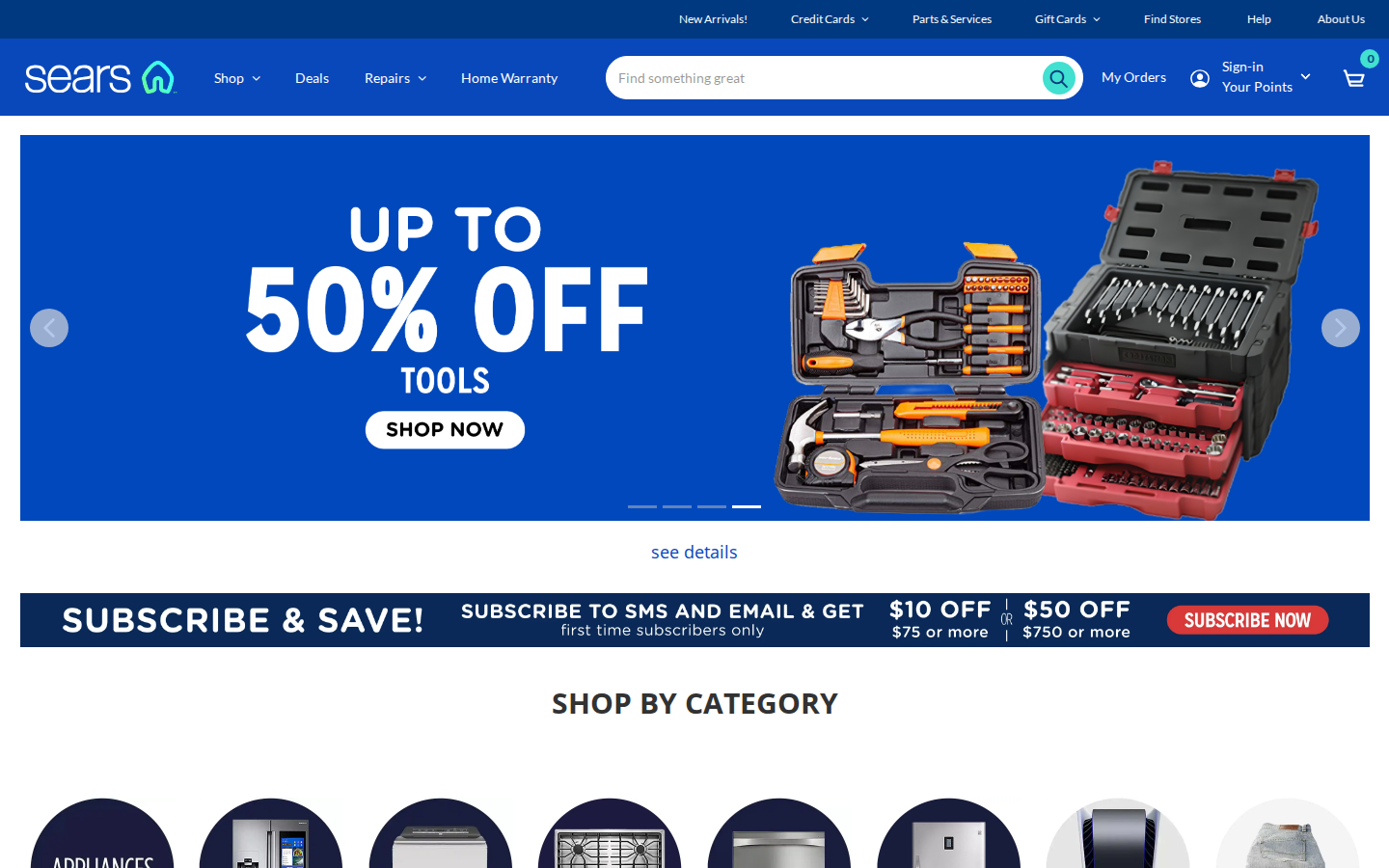
Sears is a legacy US retail brand that now operates heavily as an online marketplace. That matters for dropshipping: the catalog is broad (home, tools, appliances, furniture, fashion), but shipping speed, packaging, and return experience can vary by seller. The best way to use Sears as a supplier is to focus on spec-clear products, verify seller quality and handling time, and price with buffers for delivery surprises and returns. This guide covers what tends to work, what can destroy margin, and how to build a monitoring-first workflow.
Ready to start dropshipping Sears?
Get help setting up a repeatable workflow for sourcing, listing, and stock/price monitoring so you can protect margins and scale.
What can you dropship from Sears?
Sears spans multiple departments. For SEO and conversion, pick one tight cluster (e.g., tools + accessories, or compact appliances) rather than listing random products.
- Tools and tool sets (DIY, mechanics, workshop)
- Home & kitchen (small appliances, storage, organization)
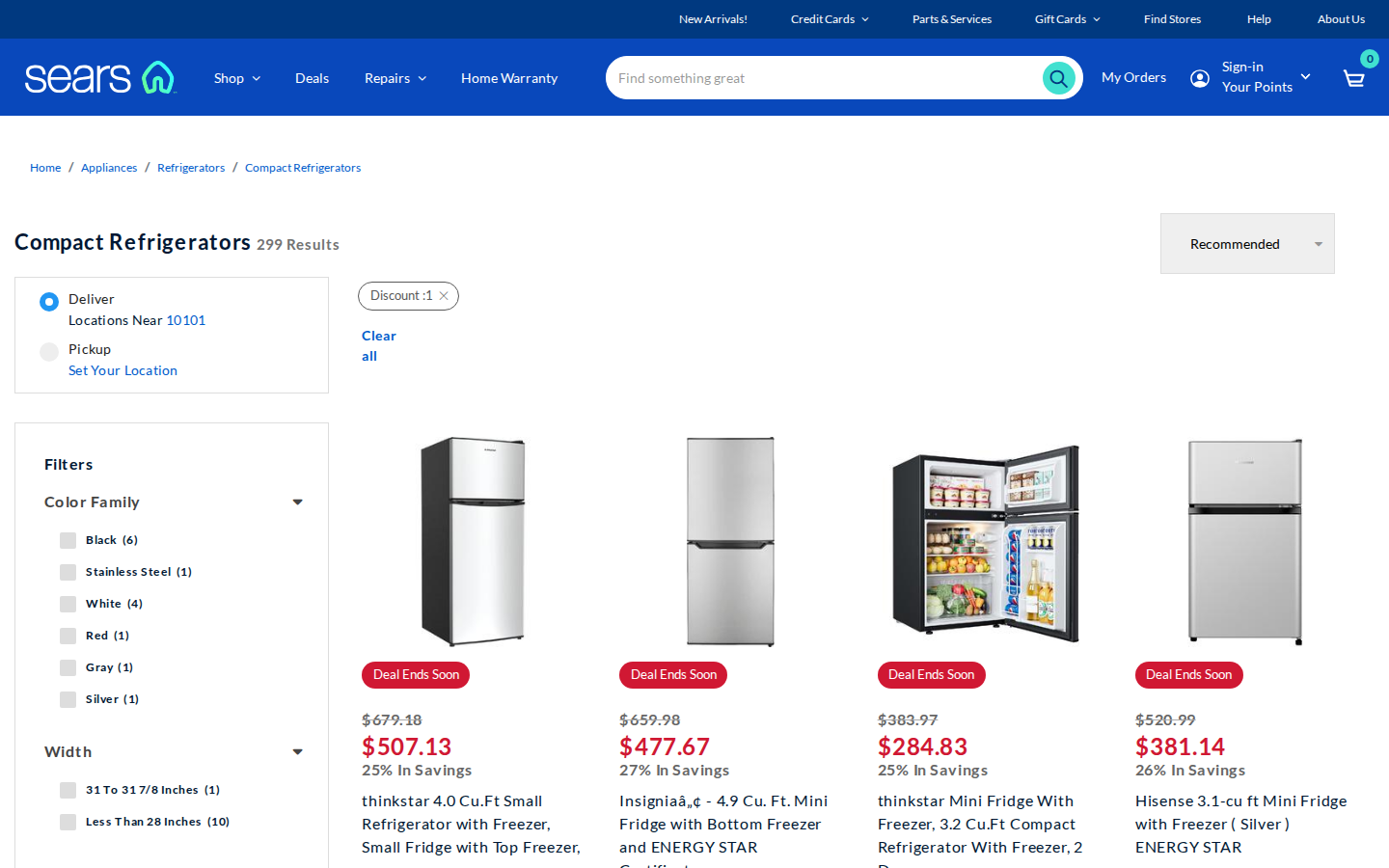
- Appliances (compact, countertop and replacement parts)
- Furniture & home decor (small, ship-friendly items)
- Electronics accessories (cables, mounts, small gadgets)
- Fashion basics (low-risk SKUs with clear sizing and returns)
Best Sears product types to start with
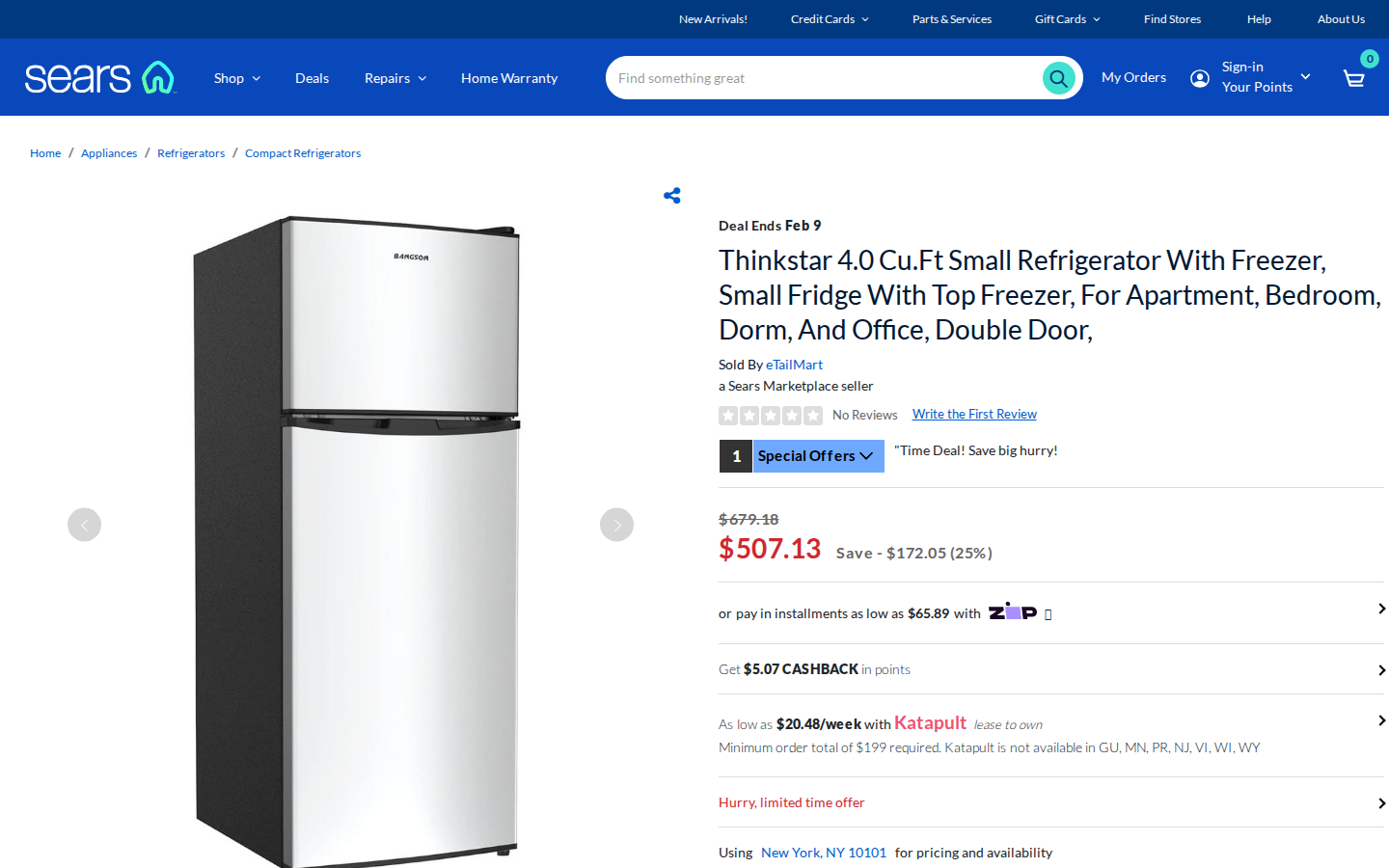
Start with small-to-medium parcels where specs are clear and returns are manageable. Treat oversized appliances and bulky furniture as “advanced mode”.
- Compact appliances and countertop units with clear dimensions/specs
- Tool kits and accessories where buyers search by size/spec (bit sets, sockets, attachments)
- Replacement parts and consumables with exact model compatibility
- Home organization items that ship easily and have low damage risk
- Bundles/multipacks that raise AOV and protect margin
Why dropshippers use Sears
- Broad catalog across home, tools and appliances — useful for building niche clusters.
- Strong brand recognition can improve buyer trust in some categories.
- Many listings include spec-heavy details you can reuse in accurate marketplace listings.
Risks and what to watch out for
- Sears is often a marketplace: delivery speed, packaging and return flow can vary by seller.
- Bulky/heavy items increase damage, return freight costs, and dispute risk.
- Promo pricing can change quickly; without monitoring, margin can flip negative overnight.
- Some listings may be “one-off” inventory — avoid building a catalog on unstable SKUs.
Need better Sears product ideas?
Use the Niche Finder to focus on categories with demand and avoid random “everything store” listings that don’t convert.
How to find winning products on Sears
Your goal is stable supply + predictable landed cost. Marketplace sourcing rewards discipline more than “deal hunting”.
- Pick one tag-aligned cluster (Tools, Home, Appliances, Furniture, Electronics) and stay focused.
- Prefer products with clear identifiers (model numbers, dimensions, compatibility) to reduce returns.
- Sort by best sellers/top rated, then shortlist items with stable availability and consistent seller fulfilment.
- Avoid fragile glass/ceramic and oversized freight items in your first tests.
- Track total shipped cost and delivery promises for your target region before you list.
Checklist before you list
These checks reduce cancellations, “not as described” returns, and margin shocks caused by seller differences.
- Sold-by information (Sears vs marketplace seller) and recent seller feedback patterns.
- Handling time and delivery ETA for the exact variant.
- Return policy and who pays return shipping on bulky/heavy items.
- Condition (new/open-box/refurb) and what’s included in the box.
- Specs and compatibility notes (model, size, materials) so your listing is accurate.
- Price stability — don’t rely on a short-lived coupon to make the margin work.
Before you list: check your profit
Use the Profit Calculator to validate fees, shipping, and return risk before you publish new Sears listings.
How to price Sears products for profit
Price from landed cost and include buffers for returns and customer support. Marketplace delivery variability means thin margins can disappear fast.
- Price from landed cost: item + shipping + marketplace fees + returns/support buffer.
- Set a minimum margin rule and skip items that can’t hit it consistently.
- Avoid competing on the thinnest margin in high-return categories.
- Monitor price/stock daily on best sellers; pause listings when cost spikes or sellers change.
How Hustle Got Real helps you dropship Sears
Hustle Got Real helps you build a repeatable system: pick a niche, publish optimized listings quickly, and monitor stock/price so you can scale without constant firefighting.
- Use Niche Finder to choose a focused product cluster with strong buyer intent.
- Publish optimized listings fast with consistent titles and item specifics.
- Monitor stock and price changes so you can auto-pause or update listings when Sears changes.
- Scale by adding more SKUs inside the same niche (not by chasing random deals).
- Track net profit after fees/returns and keep only stable winners.
Always review Sears’s current terms/policies and your marketplace rules before listing.
Profit tips
- Treat “sold by” + handling time as part of the product — it directly affects returns and disputes.
- Start with compact items and build bundles to increase AOV and protect margin.
- Monitoring is non-negotiable on marketplace-style catalogs.
Want help setting this supplier up?
We can help you build a repeatable workflow for sourcing, listing, and order management so you can focus on scaling profitably.
Get in Touch